
Guide
One product. Four personas. Four different reasons to buy.
Manta Sleep sells the same earplugs to four personas. This breakdown shows how each ad starts with a different sleep problem and how its landing page continues that message.
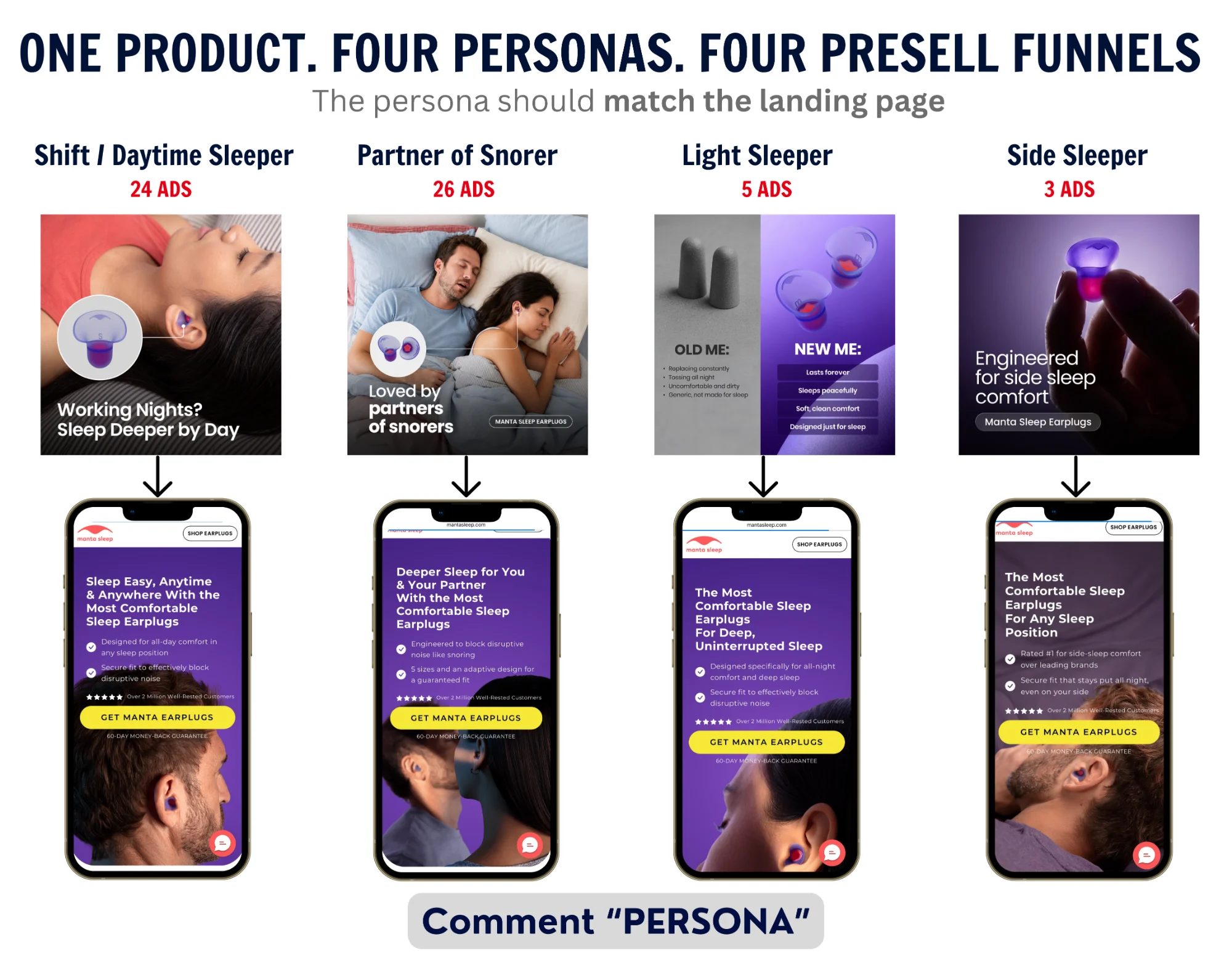
Manta Sleep sells the same earplugs to four personas. This breakdown shows how each ad starts with a different sleep problem and how its landing page continues that message.
Manta Sleep sells the same earplugs to shift workers, light sleepers, side sleepers and people sleeping next to a snorer. The product stays the same. What makes each person care about it changes.
I think of a customer persona as a group of buyers who share a problem, desired outcome, objection or usage context. One Manta ad makes this clear: “Daytime noise ruins my sleep every day.” The earplugs are introduced around the shift worker's problem.
Look at why people buy: what is disturbing their sleep, what outcome they want, what they dislike about current options, and how much they already know about the solution.
One Manta ad asks, “My partner snores every night… How do you sleep?” Another describes the earplugs as “Rated #1 for comfort by light sleepers.”
Both sell earplugs. But a snoring partner and sensitivity to small sounds are different reasons to need them. I would treat these as different personas.
Start with the persona's main pain or desired outcome.
For shift workers, Manta turns daytime sleep into “Sleep while the city's awake.” For someone sleeping next to a snorer, it becomes “Silence the snoring. Like Them Tomorrow.”
Each ad starts with a problem that gives that person a reason to pay attention and click.
All four use a persona-specific product explainer.
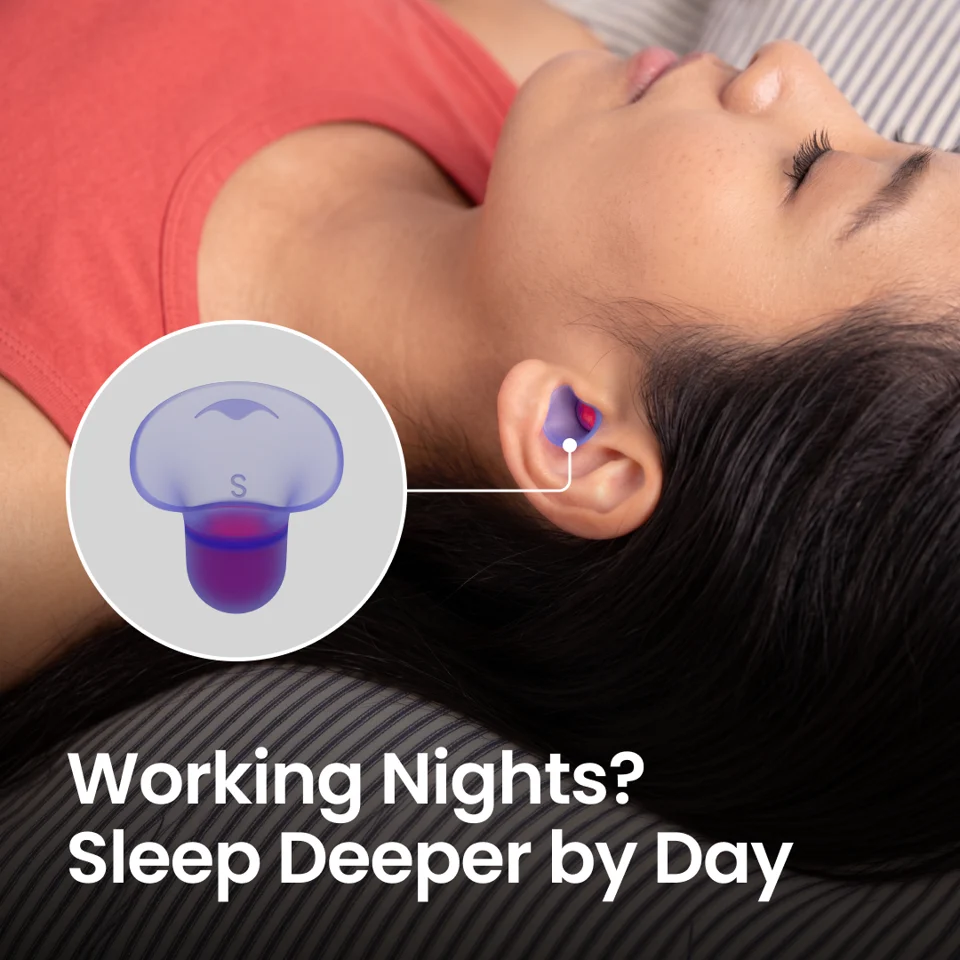
The ad leads with “Working Nights? Sleep Deeper by Day” and shows the earplugs in use.
The landing page opens with a broader sleep message, then calls Manta Earplugs the “#1 choice for shift workers.” It connects the product to daytime sleep through noise blocking, comfort for different sleep schedules, five sizes and a 60-day trial. Comparisons, reviews, FAQs and the offer support the purchase decision.

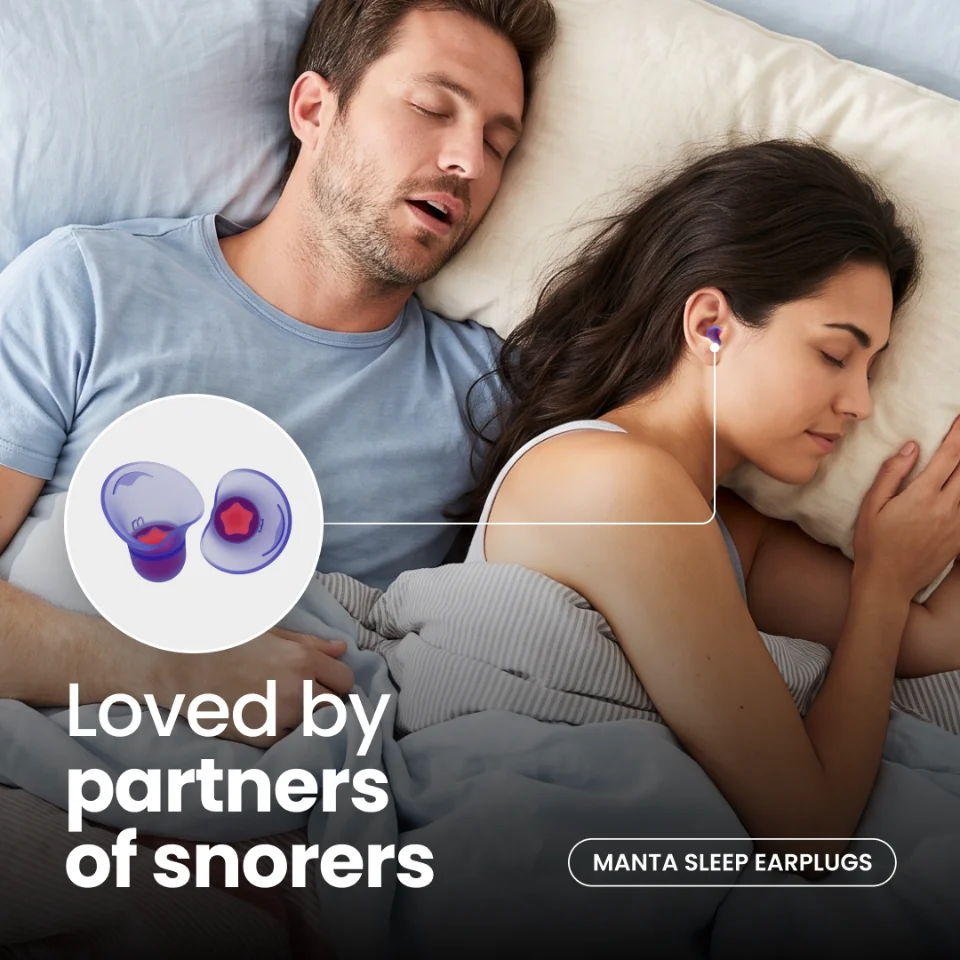
“Loved by partners of snorers” makes the audience explicit. The ad shows one partner snoring while the other sleeps with Manta Earplugs.
The landing page continues the relationship context with “Deeper sleep for you & your partner.” Noise blocking, comfort, fit and the trial are presented around sleeping next to someone who snores. The buyer does not have to solve their partner's snoring to consider a solution for their own sleep.

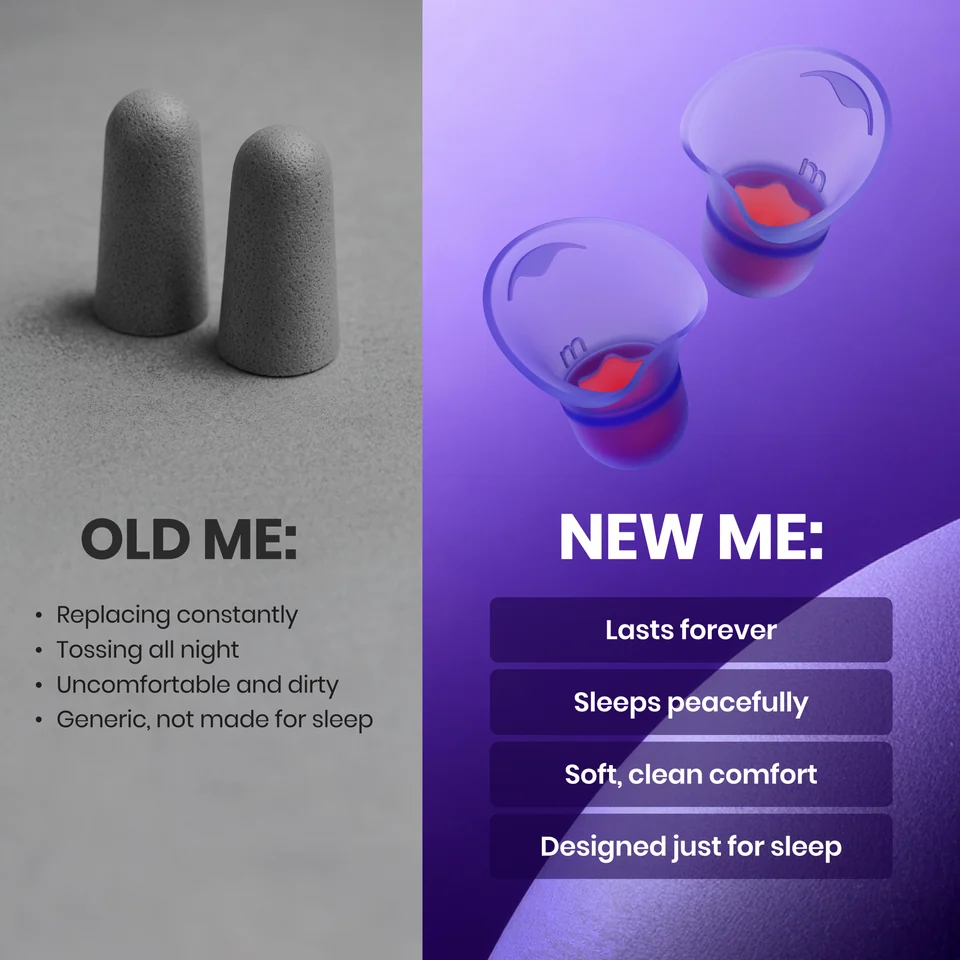
The ad compares ordinary earplugs with Manta, positioning them as a softer, more comfortable option for better sleep.
The landing page positions Manta as the “#1 choice for light sleepers.” The familiar product benefits are framed around someone whose sleep is easily disturbed: noise blocking, a comfortable fit, five sizes and a 60-day trial.

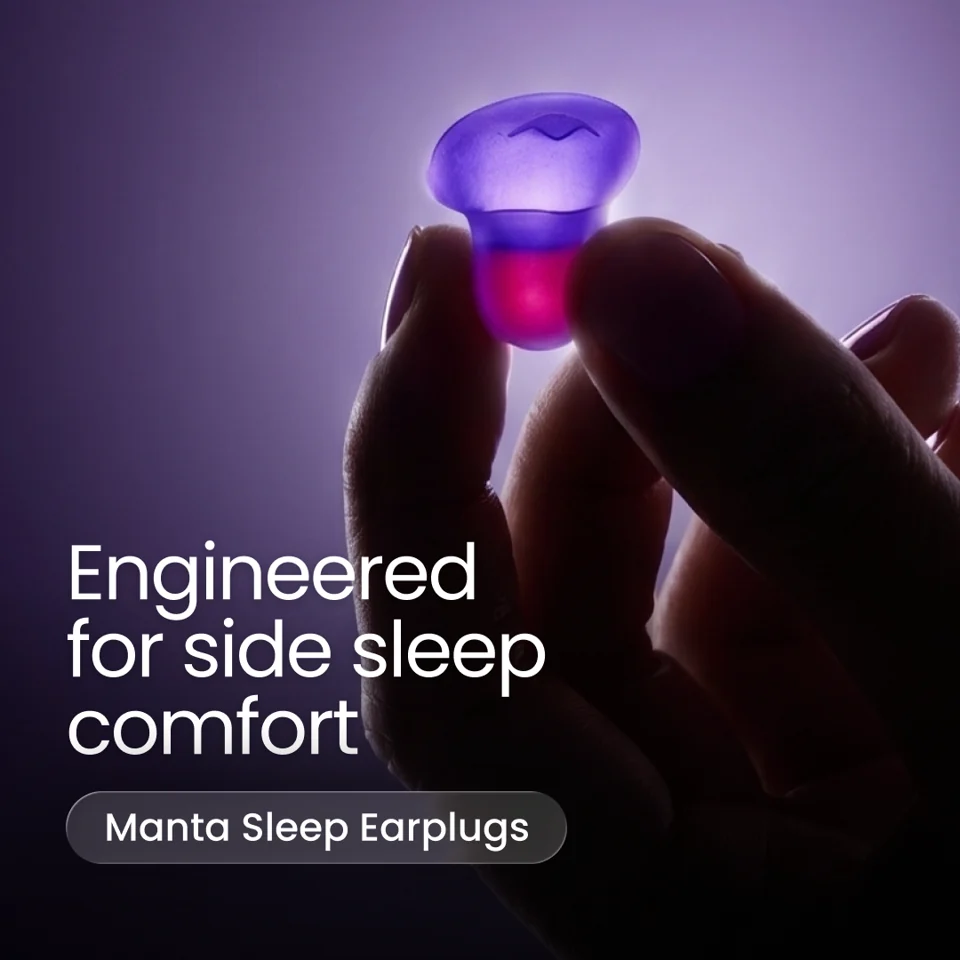
“Engineered for side sleep comfort” leads the ad. The problem is specific: an earplug can block noise but still feel uncomfortable against a pillow.
The landing page continues with “The Most Comfortable Sleep Earplugs For Any Sleep Position” and positions Manta as the “#1 choice for side sleepers.” Comfort and fit lead the argument, supported by the same noise-blocking benefits, sizes and trial.

Across these funnels, the core product reasons stay largely the same. What changes is the entry message and how those reasons are presented to the person who clicked.
Persona → specific ad angle → landing page that continues the same message.